
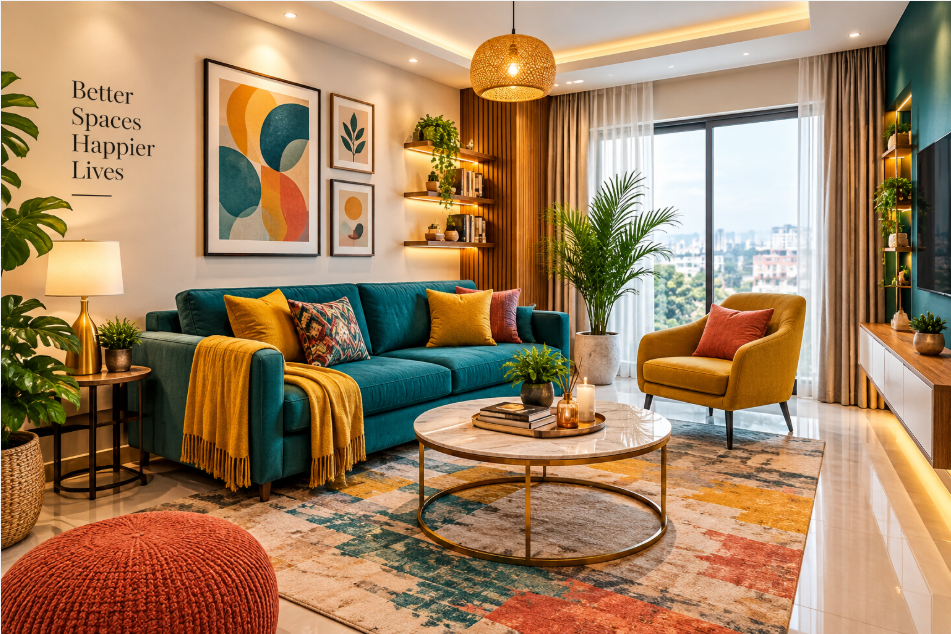
A well-designed home is more than just a beautiful space. It is a place where comfort, creativity, and personal style come together. Whether you want to decorate a small apartment, renovate your living room, or design your dream house, an interior designer can help you transform your ideas into a practical and attractive living environment.
Interior design combines colors, furniture, lighting, textures, and space planning to create rooms that look appealing and function effectively. A professional interior designer understands how these elements work together to improve the appearance and usability of a space.
In this guide, you will learn what an interior designer does, how interior design works, which colors and styles you can choose, and how to create a home that reflects your personality.
What Is an Interior Designer?
An interior designer is a professional who plans, designs, and improves indoor spaces to make them comfortable, functional, and visually attractive. Interior designers work with different elements, including furniture, wall colors, lighting, flooring, decorative accessories, and room layouts.
Their main goal is to create an environment that suits the needs, preferences, and lifestyle of the people who use it.
For example, if you have a small living room, an interior designer can help you choose space-saving furniture, suitable wall colors, and lighting that makes the room feel more open. If you have a large house, they can help organize different areas so that each room has a clear purpose and a consistent design.
Interior design is not only about choosing beautiful decorations. It also involves understanding how people use a space and finding practical ways to improve it.
What Does an Interior Designer Do?
An interior designer manages different aspects of designing an indoor space. Their responsibilities depend on the project, budget, and client’s requirements.


6
1. Plans the Space
Space planning is one of the most important parts of interior design. It involves arranging furniture, identifying walking paths, and deciding how different areas should be used.
A good layout allows people to move comfortably without making the room feel crowded.
For example, placing a sofa near a window, keeping pathways clear, and arranging seating around a central table can make a living room more practical.
2. Selects Colors and Materials
Colors have a major influence on the appearance and atmosphere of a room. Interior designers select wall colors, furniture finishes, fabrics, and decorative materials that complement each other.
They may combine neutral colors with bright accents or use contrasting shades to create a bold and colorful design.
Materials such as wood, glass, stone, metal, and fabric also help create different moods and textures.
3. Chooses Furniture and Decorations
Furniture should match the size and purpose of the room. An interior designer helps select suitable sofas, beds, tables, chairs, storage units, and decorative accessories.
They also consider the furniture’s comfort, durability, proportions, and appearance.
Decorative elements such as rugs, artwork, mirrors, cushions, and plants can add personality without requiring major renovations.
4. Designs the Lighting
Lighting can completely change how a room looks and feels.
Interior designers often combine three main types of lighting:
- Ambient lighting: Provides general illumination throughout the room.
- Task lighting: Helps with specific activities, such as reading, cooking, or working.
- Accent lighting: Highlights artwork, architectural details, or decorative features.
Using different lighting sources creates depth and makes a room more comfortable throughout the day.
5. Manages the Design Project
Depending on the service, an interior designer may prepare layouts, create design concepts, recommend materials, coordinate with contractors, and monitor installation.
This helps ensure that the final space follows the planned design, budget, and functional requirements.
Popular Interior Design Styles for Modern Homes
Every home has its own character. Some people prefer a simple and peaceful environment, while others enjoy bold colors, artistic decorations, and luxurious furniture.
Here are several popular interior design styles to explore.

Modern Interior Design
Modern design focuses on clean lines, practical furniture, open layouts, and balanced colors. Neutral shades such as white, gray, beige, and black are commonly used.
It is suitable for people who prefer a clean, organized, and contemporary home.

Bohemian Interior Design
Bohemian design uses colorful fabrics, natural materials, plants, patterned rugs, and artistic decorations.
It works well for people who enjoy creativity, relaxed surroundings, and a mix of different colors and textures.

Scandinavian Interior Design
Scandinavian interiors combine simplicity, natural light, light-colored wood, soft textiles, and functional furniture.
This style can make smaller rooms feel brighter and more open while maintaining a warm atmosphere.

Luxury Interior Design
Luxury interiors often feature elegant furniture, high-quality materials, statement lighting, and carefully selected decorative details.
Marble, velvet, metallic accents, and rich colors can create a sophisticated appearance without requiring every item to be expensive.

Colorful Contemporary Design
This style combines modern furniture with expressive colors, creative artwork, and decorative accents.
Shades such as teal, mustard yellow, coral, and emerald green can give a room a distinctive personality.
How to Choose the Right Colors for Interior Design
Color selection is one of the most exciting parts of decorating a home. The right combination can make a room feel relaxing, energetic, spacious, or sophisticated.
An interior designer considers the room’s natural light, size, furniture, and intended use before recommending a color palette.


7
Understand the Color Wheel
The color wheel helps explain how different colors relate to each other. It can help homeowners select combinations that look balanced and visually interesting.
| Color combination | How it works |
|---|---|
| Complementary | Uses colors opposite each other, such as blue and orange, for contrast. |
| Analogous | Combines neighboring colors, such as blue, teal, and green, for a harmonious look. |
| Monochromatic | Uses different shades and tones of one color for a coordinated appearance. |
| Neutral palette | Combines colors such as beige, white, gray, and brown for a calm atmosphere. |
There is no single color combination that works for every room. The best choice depends on your taste and the atmosphere you want to create.
Use the 60-30-10 Color Rule
The 60-30-10 rule is a popular interior design guideline for distributing colors throughout a room.
- 60% dominant color: Usually used on walls or other large surfaces.
- 30% secondary color: Often appears in furniture, curtains, or rugs.
- 10% accent color: Used for cushions, artwork, lamps, or decorative accessories.
For example, a living room might use warm white for the walls, sage green for the sofa, and mustard yellow for cushions.
This is a flexible guideline rather than a strict requirement. You can adjust the proportions to suit your preferred design.
Choose Colors According to Room Function
Different rooms serve different purposes, so their colors should reflect how you want to use them.
Living Room
Beige, sage green, warm white, and soft blue can create a welcoming environment. Bright cushions or artwork can add personality.
Bedroom
Soft blue, muted green, lavender, and warm neutral shades can support a calm and restful atmosphere.
Kitchen
White, cream, natural wood, and green accents can create a fresh appearance. Darker cabinets can add contrast.
Bathroom
White, light gray, pale blue, and natural stone colors can create a clean and open appearance.
Interior Design Ideas for Small Spaces
Small homes and apartments can be stylish and comfortable when every area is planned carefully. You do not need a large house to enjoy beautiful interior design.


7
Use Multi-Functional Furniture
Furniture that serves more than one purpose can save valuable space.
Consider a storage bed, a sofa bed, nesting tables, foldable dining furniture, or an ottoman with hidden storage.
These options help reduce clutter while making the room more useful.
Make Use of Vertical Space
When floor space is limited, look upward.
Wall-mounted shelves, tall cabinets, floating desks, and vertical storage can help organize belongings without occupying too much floor area.
Use Mirrors and Natural Light
Mirrors can reflect light and create a greater sense of depth. Placing a mirror opposite or near a window may help distribute daylight throughout a room.
Light-colored walls and sheer curtains can also help a small space feel brighter.
However, the actual result depends on the room’s layout, window placement, and available light.
Keep the Layout Simple
Too much furniture can make a small room feel crowded.
Choose appropriately sized pieces, keep walking paths clear, and avoid filling every empty corner with decorations.
A simple layout often makes a room more comfortable and easier to maintain.
Interior Designer vs. Interior Decorator: What Is the Difference?
The terms interior designer and interior decorator are sometimes used interchangeably, but they can refer to different types of work.
| Interior Designer | Interior Decorator |
|---|---|
| Focuses on space planning, functionality, and aesthetics. | Focuses mainly on the appearance and styling of a space. |
| May work on renovations and interior layouts. | Often works with existing room layouts. |
| May coordinate with contractors and other professionals. | May select furniture, colors, fabrics, and accessories. |
| May require formal qualifications or licensing, depending on location and project. | Qualification requirements vary by location and scope of work. |
An interior designer may also provide decorating services. The distinction is not absolute, and the exact responsibilities depend on the professional and local regulations.
If your project involves structural changes, electrical work, or plumbing, confirm that the appropriate licensed professionals are involved.
How Much Does an Interior Designer Cost?
The cost of hiring an interior designer depends on several factors, including the size of the property, project complexity, location, materials, and level of service.
Some designers charge an hourly fee, while others use a fixed project fee, a per-room price, or another agreed payment structure.
Common interior design pricing methods
Hourly rate
Payment is based on the time spent working on the project.
Fixed project fee
An agreed fee covers a defined set of design services.
Per-room pricing
The cost is calculated according to the rooms being designed.
Percentage-based fee
The designer’s fee is calculated using an agreed percentage of the project cost.
Before hiring a professional, ask for a written proposal explaining the services, payment terms, expected timeline, and any additional expenses.
A clear budget helps prevent unexpected costs and allows you to make better decisions about furniture, materials, and finishing details.
How to Choose the Right Interior Designer
Choosing an interior designer is an important step because the professional will help shape the look and functionality of your space.
Here are some practical points to consider before making a decision.
Review Their Portfolio
Look at previous projects to understand the designer’s style, experience, and attention to detail.
Check whether they have worked on spaces similar to yours, such as apartments, family homes, offices, or commercial properties.
Discuss Your Budget
Be clear about how much you want to spend on design services, furniture, materials, and installation.
A professional should understand your budget and help you explore suitable options.
Explain Your Design Preferences
Share your preferred colors, furniture styles, lifestyle needs, and design inspiration.
You can use photos, color samples, or examples of rooms you like to explain your vision.
Ask About Their Process
Find out how the designer handles planning, revisions, material selection, purchasing, and project coordination.
Understanding the process helps you know what to expect before work begins.
Check References and Agreements
Where possible, review client feedback and ask about previous projects.
Before signing an agreement, make sure the scope of work, fees, responsibilities, and payment schedule are clearly documented.
Interior Design Trends to Explore
Interior design trends change over time, but some ideas remain useful because they focus on comfort, practicality, and personal expression.


7
Warm Minimalism
Warm minimalism combines simple layouts with natural materials, soft colors, and comfortable furniture.
Instead of making a room feel empty, this style focuses on a few carefully selected pieces that serve a purpose.
Nature-Inspired Interiors
Plants, natural wood, stone, and earthy colors can help bring a sense of nature into indoor spaces.
This approach is often called biophilic design, which emphasizes connections between people and the natural environment.
Bold Colors and Statement Pieces
Colorful sofas, patterned rugs, artistic lighting, and decorative walls can make a room more expressive.
You can introduce bold colors through smaller accessories if you prefer not to repaint an entire room.
Flexible Living Spaces
Many homes need to support different activities, including working, relaxing, studying, and entertaining.
Flexible furniture, adaptable layouts, and practical storage can help rooms serve multiple purposes.
Remember that trends are optional. A well-designed home should suit your needs rather than simply follow what is popular.
DIY Interior Design Tips for Homeowners
You can improve the appearance of your home without hiring a professional for every project.
Try these simple ideas to refresh your space:
- Rearrange furniture to improve movement and make better use of available space.
- Add colorful cushions, throws, or rugs to introduce new shades and textures.
- Replace outdated lampshades or add task lighting where needed.
- Use artwork, photographs, or decorative mirrors to personalize empty walls.
- Declutter shelves and keep frequently used items easy to access.
- Add indoor plants that suit the room’s lighting conditions.
- Test paint samples before applying a color to an entire wall.
Start with small changes and observe how they affect the room. You may discover that a few thoughtful updates can make a noticeable difference.
For electrical, structural, or other specialized work, consult an appropriately qualified professional.
Frequently Asked Questions About Interior Designers
What is the main purpose of an interior designer?
The main purpose of an interior designer is to create indoor spaces that are functional, comfortable, safe, and visually appealing while meeting the client’s needs and preferences.
Can an interior designer help with a small home?
Yes. An interior designer can help improve small spaces through furniture planning, smart storage, suitable lighting, and thoughtful color selection.
What skills should an interior designer have?
Important skills include space planning, color coordination, creativity, communication, material knowledge, technical drawing, and project management.
Is interior design only about decoration?
No. Interior design also involves planning how a space functions, arranging furniture, considering lighting, selecting materials, and addressing practical requirements.
Which colors make a room look bigger?
Light colors such as white, cream, pale gray, and soft pastels can help a room feel brighter and more open, especially when combined with good lighting and an uncluttered layout.
How do I start an interior design project?
Begin by identifying your needs, measuring the space, setting a budget, collecting design inspiration, and deciding which changes are most important.
Can I design my home without professional help?
Yes. Simple decorating projects can often be completed independently. However, professional assistance may be useful for complex layouts, major renovations, or specialized technical work.
Final Thoughts
Interior design is about creating spaces that look beautiful while supporting everyday life. From choosing colorful wall shades to arranging furniture and improving lighting, every design decision can influence how a room feels and functions.
Whether you prefer modern minimalism, colorful contemporary interiors, or a warm and traditional home, the right approach begins with understanding your personal needs and available space.
An interior designer can help turn your ideas into a well-planned environment that reflects your personality, makes daily activities easier, and provides lasting comfort.
The most successful interior design is not necessarily the most expensive or fashionable. It is the design that makes your space feel like home.