
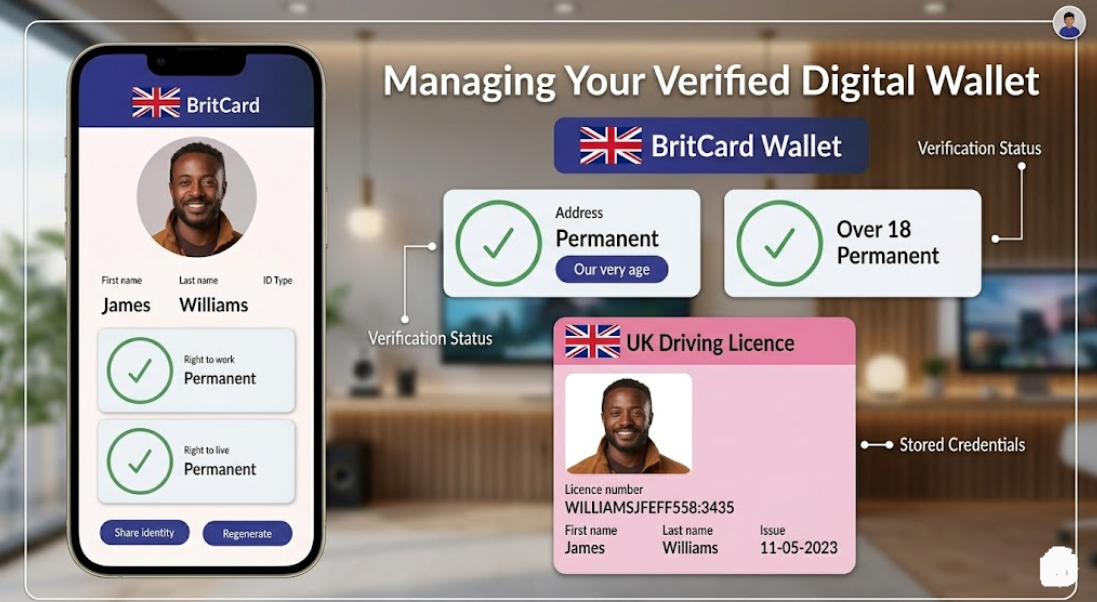
In recent months, the term digital id petition has been gaining significant traction online. From social media debates to government forums, citizens around the world are asking the same question: Should a digital identity be mandatory, or is it a step too far?
This article explores the growing movement behind digital ID petitions, what they demand, and why this issue strikes a chord with so many people today.
What Is a Digital ID?
A digital ID is an electronic representation of a person’s identity. It can include biometric data, government-issued numbers, facial recognition, or other personal information stored in a centralized system. Proponents argue that digital IDs make transactions faster, reduce fraud, and streamline access to public services.
However, critics see a darker side — one where surveillance, data breaches, and loss of personal freedom become everyday realities.
Why Are Digital ID Petitions Emerging?
Across online platforms and civic forums, digital id petitions have begun circulating. These petitions generally call for:
- Transparency in how digital identity systems are designed
- Opt-in only participation, not mandatory enrollment
- Strong data protection laws before any rollout
- Independent oversight to prevent misuse
Many petition starters are not against technology itself. Instead, they worry about the speed with which such systems are proposed without proper public debate.
The Core Fears Driving the Petition Movement
1. Privacy Erosion
A digital ID tied to every online and offline action creates a detailed trail of a person’s life. Petitions often demand that no one should be forced to trade their privacy for basic services like banking, travel, or healthcare.
2. Data Breaches
Large centralized databases are attractive targets. History has shown that even well-funded systems can fail. The fear is not if a breach will happen, but when — and what happens to citizens afterward.
3. Function Creep
What starts as voluntary often becomes mandatory over time. Many digital id petitions specifically ask governments to legislate that a digital ID can never become a requirement for voting, employment, or medical care.
4. Exclusion of Vulnerable Groups
Not everyone owns a smartphone, has stable internet access, or trusts digital systems. Elderly citizens, rural populations, and those with lower technical literacy risk being left behind or discriminated against.
What Petitions Usually Ask For
A typical digital id petition contains several clear demands:
- A public referendum before any national digital ID is implemented
- Strict penalties for misuse of digital identity data
- The right to use physical documents indefinitely
- No linkage between digital IDs and social credit–style scoring systems
- Open-source auditing of all digital ID software
These demands reflect a desire for balance — innovation without coercion.
Are Digital IDs Inevitable?
Some argue that digital IDs are the future, pointing to countries where such systems already exist. Others counter that just because something is possible does not mean it is right. The petition movement proves that a significant portion of the public wants a seat at the table before any major decisions are made.
Whether you support or oppose digital IDs, signing or starting a petition is a legal, peaceful way to make your voice heard.
How to Evaluate a Digital ID Petition
Before adding your signature to any digital id petition, consider these questions:
- Who created the petition? Look for clear authorship and verified organizers.
- What is the exact demand? Vague petitions are less effective than specific, actionable requests.
- Where will it be delivered? A petition going to the right government body or agency has more impact.
- Is it part of a larger movement? Petitions backed by privacy organizations or civil liberties groups often carry more weight.
Final Thoughts
The digital id petition trend is not a passing fad. It reflects a deeper, global conversation about identity, power, and consent in the digital age. While technology marches forward, citizens are reclaiming their right to question, delay, or reject systems that feel rushed or invasive.
If you care about privacy, security, or personal freedom, now is the time to pay attention. Read the petitions. Understand the arguments on both sides. And decide for yourself where you stand.
Your identity is the most valuable thing you own. Protecting it is not paranoia — it is responsibility.
 𝐃𝐢𝐠𝐢𝐭𝐚𝐥 𝐀𝐯𝐞𝐧𝐮𝐞